Skip to main content
News
Upcoming events
Podcast
Fact sheets
Road safety in numbers
Crashes
Motorvehicle kilometers
Infrastructure
Risk
Miscellaneous
Publications
De Staat van de Verkeersveiligheid
Diepteonderzoek
Services
Participate in research
Experts
About SWOV
Organisation
Working at SWOV
Contact
Menu
nl
EN
Hoofdnavigatie
Upcoming events
Podcast
News
684 road deaths in 2023 in the Netherlands: less than 2022, but no downward trend
10 April 2024
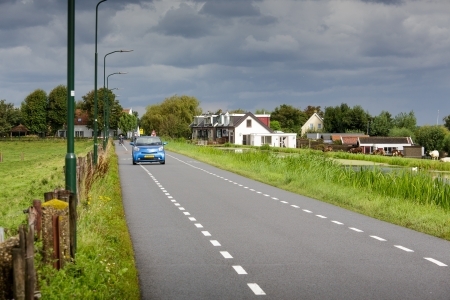
In 2023, 684 people died in traffic in the Netherlands, as announced by Statistics Netherlands on April 10. Although this is a lower number of road deaths than in 2022, we can not yet consider this development a downward trend.
Examining road safety impacts of Green Light Optimal Speed Advisory (GLOSA) system
9 April 2024
SWOV researcher Weijermars coauthored the article 'Examining road safety impacts of Green Light Optimal Speed Advisory (GLOSA) system' in the magazine Accident Analysis & Prevention.
Effects of crowding on route preferences and perceived safety of urban cyclists in the Netherlands
26 March 2024
SWOV researchers Uijtdewilligen and Wijlhuizen coauthored the article 'Effects of crowding on route preferences and perceived safety of urban cyclists in the Netherlands' in the journal 'Transportation Research Part A'.
Meeting of the Trendline General Assembly in Prague
11 March 2024
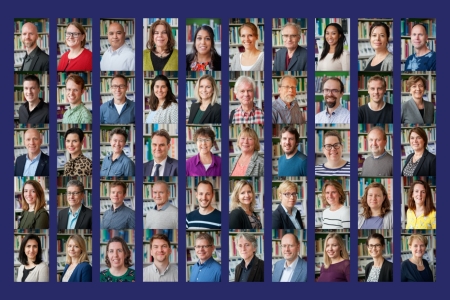
Over 50 Trendline project participants joined the General Assembly Meeting in Prague on 22 and 23 February.
Towards a framework of driver fitness: Operationalization and comparative risk assessment
14 February 2024
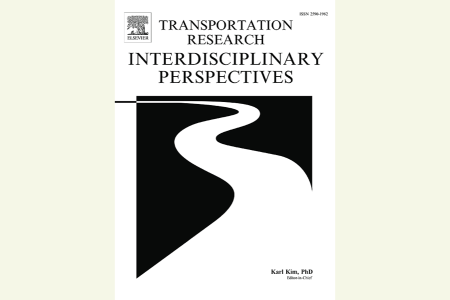
SWOV researchers de Winkel, Christoph and van Nes authored the article 'Towards a framework of driver fitness: Operationalization and comparative risk assessment' in Transportation Research Interdisciplinary Perspectives.
Triangulating the future: Developing scenarios of cyclist-automated vehicle interactions from literature, expert perspectives, and survey data
30 January 2024
Happy holidays and a safe and healthy 2024!
19 December 2023
SWOV wishes you happy holidays and a safe and healthy 2024!
International Cycling Safety Conference ICSC 2023
27 November 2023
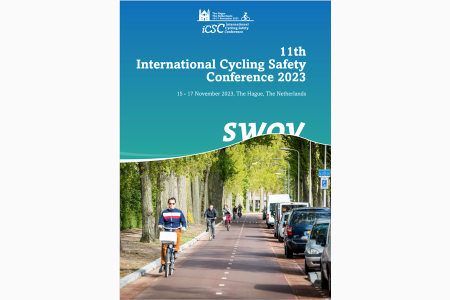
The International Cycling Safety Conference, hosted by SWOV on November 15 to 17, brought together almost 200 delegates from over 25 countries. The extended abstracts for all presenters can be found in the Book of Abstracts.
Updated fact sheet: Public communication
6 November 2023
Despite the efforts of public campaigns to improve road safety, evidence for their effectiveness remains limited. While they contribute to knowledge of laws and regulations, by themselves they rarely lead to demonstrable behavior change or accident reduction.
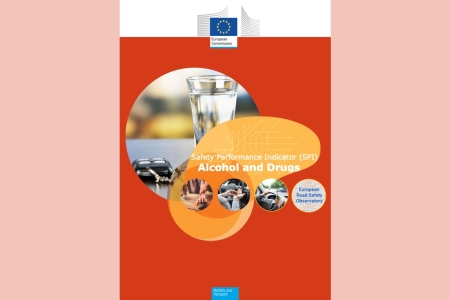
SWOV researchers contribute to European Road Safety Observatory reports on alcohol and drugs
23 October 2023
SWOV researchers have contributed to two reports from the European Road Safety Observatory.
Pagination
Current page
1
Page
2
Page
3
Page
4
Page
5
Page
6
Page
7
Page
8
Page
9
…
Next page
Next ›
Last page
Last »
News
Upcoming events
Podcast
Fact sheets
Road safety in numbers
Crashes
Motorvehicle kilometers
Infrastructure
Risk
Miscellaneous
Publications
De Staat van de Verkeersveiligheid
Diepteonderzoek
Services
Participate in research
Experts
About SWOV
Organisation
Working at SWOV
Contact